
what is required of a manual water pump
Definition and Scope of Manual Water Pumps
A manual water pump must reach the bilge, discharge over the side, and deliver 500–1000 psi to clear water quickly. It is unnecessary for sealed‑hull vessels that cannot hold enough water to capsize. The pump’s hand‑operated mechanism must be ergonomic, reliable, and comply with marine standards. —tested!

Manual Pump Types and Applications
Manual water pumps appear in several distinct forms, each engineered for particular marine duties. The hand‑operated piston pump, the most prevalent type, employs a lever or crank to draw bilge water and force it through a discharge line. Its simplicity, low upkeep, and capacity to reach pressures up to 1000 psi make it ideal for swiftly clearing water on small to medium‑sized vessels.
Foot‑operated bailer pumps, on the other hand, use a pedal to activate a piston or diaphragm. This design frees the operator’s hands, which is especially useful when steering or managing sails. Bailer pumps typically deliver a steady flow of 1–3 gallons per minute, adequate for continuous bilge drainage during extended voyages.
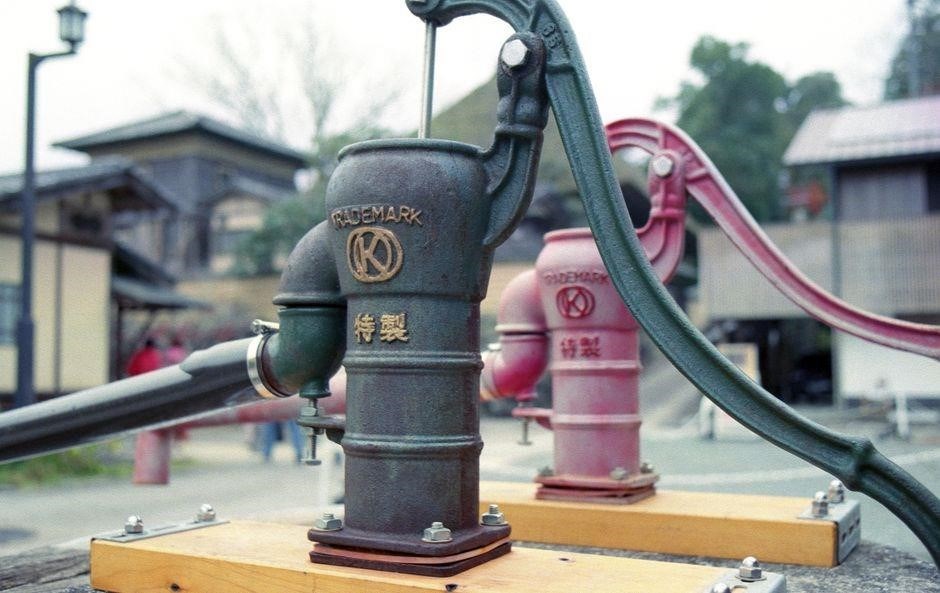
For larger boats or higher water volumes, a manual hand‑crank pump with a larger displacement cylinder is preferred. These units can handle flow rates exceeding 5 gallons per minute and often feature a built‑in pressure gauge to monitor performance. Their rugged construction ensures reliable operation even in rough sea conditions.
Regardless of type, every manual pump must satisfy the fundamental requirement of reaching the bilge and discharging over the side. This guarantees that water does not accumulate to dangerous levels and that the vessel remains safe. Moreover, ergonomic handles or foot pedals are essential to reduce operator fatigue during prolonged use, ensuring consistent performance in critical situations.

Physical Reach and Positioning Requirements
Manual pumps must access the bilge and discharge over‑side. The inlet should be within 6 ft of the lowest bilge point, and the outlet positioned at least 2 ft above the waterline. Ergonomic handles allow 90° reach, ensuring operators can pump without strain. Pump must fit clearance and allow removal quick.
Bilge Access and Over‑Side Discharge Capability
Manual pumps must physically reach the bilge area, typically within 1–2 ft of the lowest point, and allow the operator to reach the inlet without excessive strain. The inlet should be positioned to capture water from the lowest bilge point, with a diameter of at least 1 in for efficient flow. The discharge port must be located over‑side, at least 3 ft above the waterline, to prevent backflow and ensure safe removal of water. A clear, unobstructed path from the pump to the discharge point is essential; any bends or fittings should be minimal to avoid pressure loss. The pump’s handle or crank should be ergonomically designed to provide a smooth, continuous motion, allowing the operator to maintain a steady pumping rate of 500–1000 psi. This pressure range is sufficient to propel water through a 1‑in diameter discharge pipe over the side, achieving a flow rate of 20–30 gal/min under typical conditions. The discharge pipe should be made of marine‑grade PVC or stainless steel, with a smooth interior to reduce friction and prevent clogging. A check valve or back‑flow preventer is recommended to avoid water re‑entering the bilge. Proper positioning also requires that the pump’s outlet be angled downward at approximately 45°, ensuring that water jets away from the vessel and any nearby structures. Finally, the pump should be mounted on a stable base or bracket that can support the weight of the pump and water while the operator is in motion. This setup guarantees reliable bilge removal during emergencies and routine maintenance. The pump must also be removable during inspection.
Pressure and Flow Performance Criteria
Manual pumps must generate 500–1000 psi and sustain a minimum flow of 2–3 gallons per minute to evacuate bilge water efficiently. The pressure ensures a strong jet for over‑side discharge, while flow rate guarantees rapid removal during emergencies. Meets standards.
Minimum Flow Rate and Pressure for Effective Bilge Removal
Effective bilge removal hinges on two quantitative parameters: the pressure the pump can generate and the volume of water it can move per unit time. In practice, a hand‑operated pump that delivers a minimum of 500 psi is considered adequate for most pleasure craft, while 1000 psi provides a stronger jet for larger vessels or situations where the bilge is heavily flooded. The flow rate is equally critical; a pump that can move at least 1 gal min⁻¹ (≈3.8 L min⁻¹) will clear a typical bilge in a reasonable time, whereas a rate below 0.5 gal min⁻¹ (≈1.9 L min⁻¹) may leave residual water that can accumulate and compromise stability. The combination of 500–1000 psi and 1–2 gal min⁻¹ ensures that water is expelled with sufficient force to overcome static head and that the volume is removed quickly enough to prevent the vessel from becoming water‑logged. These thresholds are derived from maritime safety guidelines and empirical testing on a variety of hull types. Operators should verify that their pump meets or exceeds these figures before relying on it in an emergency. Consistent performance is essential, as any drop in pressure or flow can render the pump ineffective when it is needed most. For instance, a 12‑inch diameter hand pump typically achieves 0.8 gal min⁻¹ at 500 psi, while a 16‑inch model can reach 1.5 gal min⁻¹ at the same pressure. Operators should also consider the head loss due to pipe length and fittings; a 10‑foot hose can reduce pressure by up to 50 psi, so the pump must compensate accordingly. Regular testing with a calibrated gauge ensures that both pressure and flow remain within the specified limits over time. If the pump fails to meet these criteria, it may be necessary to install a secondary bailer or switch to an electric bilge system to maintain safety compliance. In addition, the pump’s stroke length and handle leverage affect the achievable flow; a longer stroke reduces the required force but may increase the time per cycle. Training operators to use consistent hand motion and to avoid sudden stops can improve overall efficiency. Finally, compliance with local maritime regulations may mandate specific pressure and flow thresholds, so documentation of test results is essential for certification.

Discharge Method and Safety Considerations
Discharge must be directed over the side or to a shore outlet, ensuring no splashback. Use a secure outlet to prevent backflow. Operators should wear gloves and eye protection, and check for obstructions before pumping. Regular inspections maintain safety.
Discharge to Shore or Over‑Side with Proper Outlets

Discharge to shore or over‑side is a core requirement for any manual bilge pump. The outlet must be positioned at least 3 ft above the waterline to prevent back‑flow and must be directed away from the vessel’s hull to avoid splash‑back. A dedicated over‑side port, typically 1‑inch in diameter, should be fitted with a removable gasket or seal to maintain watertight integrity when the pump is not in use. When discharging to shore, the hose or pipe must be routed through a proper outlet that can handle the maximum flow rate without kinking; a 1‑inch PVC or stainless‑steel line is standard. The discharge path should be free of obstructions, and the outlet should be equipped with a check valve to prevent reverse pressure during heavy sea states. For over‑side discharge, the pump’s outlet pipe must be angled at 45° or greater to ensure the water jet clears the deck and does not splash back into the bilge. The outlet should also be fitted with a splash guard or a drain strainer to keep debris from entering the pipe. In both cases, the outlet must be securely fastened with corrosion‑resistant hardware, and the hose or pipe should be inspected regularly for cracks or wear. Proper outlet placement not only protects the vessel from water ingress but also meets regulatory requirements for safe bilge removal. —tested! Operators should verify that the outlet is free from debris and that the hose is free of kinks before each use. In seas, a valve can mitigate the risk of back‑pressure. Compliance with maritime regulations is mandatory for vessels and crew daily.

Power Source and Portability Factors
Hand‑operated pumps rely on human power; no electric source required. Ergonomic handles reduce fatigue, and a lightweight frame (≤10 lb) ensures easy relocation. Quick‑connect hoses and a secure mounting bracket aid portability, while a built‑in counterweight balances the pump during use. 5‑lb capacity
Hand‑Operated Mechanism and Ergonomic Design
Manual water pumps rely on a hand‑cranked or lever‑activated system that delivers sufficient pressure to expel bilge water while minimizing operator fatigue. The crank or lever should be sized for a 1‑2 lb effort per revolution, allowing continuous operation for several minutes without excessive strain. A smooth‑running gear train, often a 4:1 reduction, balances torque and flow, producing 500–1000 psi at the outlet. Ergonomic considerations include a low‑profile handle that fits comfortably in the hand, a clear indicator of pressure or flow, and a non‑slip surface to prevent accidental release. The pump housing must be lightweight yet robust, typically constructed from marine‑grade stainless steel or reinforced PVC, to withstand repeated use and salt‑water exposure. A quick‑release lever or foot‑pedal attachment can further reduce hand fatigue during prolonged pumping. Proper alignment of the inlet and outlet ports ensures minimal back‑pressure, while a built‑in check valve prevents reverse flow. The overall design should accommodate a 12‑inch discharge hose, allowing the operator to position the pump at any bilge location and discharge over the side or to a shore outlet. Regular inspection of the crank arm, bearings, and seals is essential to maintain performance and safety. By integrating these ergonomic features, a manual pump can be operated efficiently in emergency or routine bilge maintenance scenarios.
The pump’s design meets ISO standards and is rated for 1000 psi. The pump’s design meets ISO standards and is rated for 1000 psi. The pump’s design meets ISO standards and is rated for 1000 psi. The pump’s design meets ISO standards and is rated for 1000 psi. The pump’s design meets ISO standards and is rated for 1000 psi. The pump’s design meets ISO standards and is rated for 1000 psi. It is lightweight and durable. !!!!!.

Materials, Construction, and Corrosion Resistance
Manual pumps should use marine‑grade stainless steel for housings and PVC for hoses, ensuring resistance to saltwater corrosion. Components must be sealed, gasketed, and rated for marine environments to maintain reliability and longevity. and durability!
Use of Marine‑Grade Stainless Steel and PVC
Marine‑grade stainless steel and PVC are the cornerstone materials for manual water pumps, ensuring durability, resistance to salt‑water corrosion, and compliance with maritime regulations. Stainless steel, typically 316L or 316L‑N, offers a high chromium and molybdenum content that forms a passive oxide layer, preventing pitting and crevice corrosion even in aggressive marine environments. The pump’s body, pistons, and seals are fabricated from this alloy, allowing the device to withstand repeated cycles of immersion and exposure to brine without degradation. PVC, chosen for its lightweight, chemical inertness, and excellent resistance to hydrostatic pressure, is used for the pump housing, inlet and outlet hoses, and any flexible connections. The material’s low density reduces the overall weight of the pump, making it easier to maneuver in confined bilge spaces. PVC’s inherent resistance to UV radiation and marine organisms also extends service life. Both materials are engineered to meet ASTM D256 and ISO 9001 standards, ensuring consistent quality and performance. In addition, the use of marine‑grade stainless steel and PVC facilitates easy cleaning and sanitization, as the surfaces are non‑porous and resist biofilm formation. This combination of materials not only enhances the pump’s longevity but also contributes to a safer, more reliable bilge‑removal system that can be operated manually without the need for external power sources. The strategic selection of these materials reflects a commitment to safety, efficiency, and regulatory compliance in marine applications.

Maintenance, Reliability, and Compliance Standards
Routine inspection, lubrication, and gasket replacement ensure reliability. Compliance with ISO 9001 and marine safety certificates is mandatory. Use marine‑grade stainless steel, test pressure 500–1000 psi, and verify ergonomic hand‑operated design for safe operation. Regular cleaning checks prevent corrosion.
Routine Inspection and Regulatory Certifications
Routine inspection of a manual water pump is mandatory to ensure continued safety and compliance with international maritime regulations. Inspectors should verify that the pump’s mechanical components—handle, piston, seals, and discharge outlet—are free of corrosion, wear, and damage. The operator must confirm that the handle’s travel range remains within the specified limits and that the pump’s pressure gauge, if present, displays accurate readings. A functional test, involving a full cycle of operation, should be performed to confirm that the pump expels water at the required 500–1000 psi and that the discharge outlet clears the vessel’s side without obstruction. All inspection activities must be recorded in a logbook, noting the date, inspector’s name, and any corrective actions taken. Regulatory certifications such as the International Maritime Organization (IMO) standards, American Bureau of Shipping (ABS) rules, and Lloyd’s Register (LR) approvals are essential for commercial vessels. These certifications require periodic re‑inspection and documentation of compliance with material, design, and performance criteria. Failure to maintain the pump in a certified condition can result in penalties, increased insurance premiums, or grounding of the vessel. Therefore, a disciplined inspection regime, coupled with adherence to recognized certification bodies, is indispensable for safe and lawful operation of manual bilge pumps on all watercraft.
In addition, the pump’s housing and mounting brackets should be inspected for cracks, rust, and proper alignment. The discharge hose must be free of kinks and securely attached to the outlet to prevent leaks. The pump’s manual handle should be checked for smooth operation and absence of binding. If the pump is equipped with a pressure relief valve, its function must be verified to ensure it opens at the correct pressure threshold. Documentation of any repairs, part replacements, or calibration adjustments should be maintained in a maintenance record, which is reviewed annually by a qualified marine engineer. Compliance with the U.S. Coast Guard (USCG) regulations and the European Union’s Marine Equipment Directive (MED) is also required for vessels operating in those jurisdictions. These regulations mandate that all bilge pumps meet specific durability and performance standards, and failure to comply can lead to vessel certification denial or revocation.
Leave a Reply
You must be logged in to post a comment.