
a practical handbook for the actor pdf
Welcome to this practical actor’s handbook‚ a concise PDF guide that blends theory with actionable steps. It offers clear‚ step‑by‑step instructions‚ real‑world examples‚ and essential tools to sharpen your craft‚ boost confidence‚ and navigate the industry with purpose.

Use this guide to turn practice into big show!!

Purpose and Scope
This practical handbook for actors is designed to serve as a compact‚ accessible resource that bridges the gap between foundational training and the demands of contemporary performance work. It is structured around the core competencies every actor must develop: vocal control‚ physical presence‚ character research‚ improvisational agility‚ and professional resilience. By presenting concise exercises‚ real‑world scenarios‚ and reflective prompts‚ the guide encourages active learning and self‑assessment‚ allowing performers to track progress and identify targeted improvement areas.
Its scope extends beyond rehearsal techniques to encompass audition preparation‚ portfolio curation‚ and industry networking strategies. The handbook includes a curated list of recommended readings‚ online platforms‚ and industry events‚ ensuring that readers have a clear roadmap for continuous growth. Each chapter is crafted to be immediately applicable‚ with step‑by‑step instructions that can be integrated into daily practice routines‚ whether in a studio‚ a home space‚ or on the road.
Ultimately‚ this PDF aims to empower actors of all levels—beginner‚ intermediate‚ and seasoned professionals—to refine their skill set‚ build confidence‚ and navigate the evolving landscape of theater‚ film‚ and digital media with informed‚ purposeful action.
By integrating these practices into a consistent routine‚ actors can cultivate a resilient mindset‚ sharpen their adaptability‚ and maintain a clear focus on artistic growth‚ ensuring that every performance reflects both skill and authenticity daily!!.
How to Use This PDF
To maximize the value of this guide‚ follow these simple steps:

- Download and open: Save the PDF to a device that supports annotation. Most modern readers allow highlighting‚ note‑taking‚ and bookmarking.
- Read the table of contents: It provides a quick map of the handbook’s structure. Use it to locate sections that match your immediate goals.
- Set a schedule: Allocate 15–30 minutes daily or weekly to work through exercises. Consistency beats intensity in skill building.
- Apply the exercises: Each chapter ends with practical tasks. Perform them in a mirror‚ record yourself‚ or share with a peer for feedback.
- Track progress: Use the built‑in checklist at the end of each section to mark completed tasks. Review your notes monthly to adjust focus.
- Engage with resources: The handbook lists recommended books‚ podcasts‚ and online courses. Explore these to deepen understanding.
- Share insights: Join a community forum or study group. Discussing concepts reinforces learning and expands perspective.
- Iterate: Acting is iterative. Revisit earlier chapters as new projects arise; the skills are cumulative.
By treating this PDF as a living companion—annotating‚ revisiting‚ and applying its lessons—you’ll transform theory into practice and steadily elevate your craft.

Remember‚ consistency‚ curiosity‚ and courage are the pillars of a acting career. Keep exploring‚ keep learning‚ and keep shining on stage and screen!!
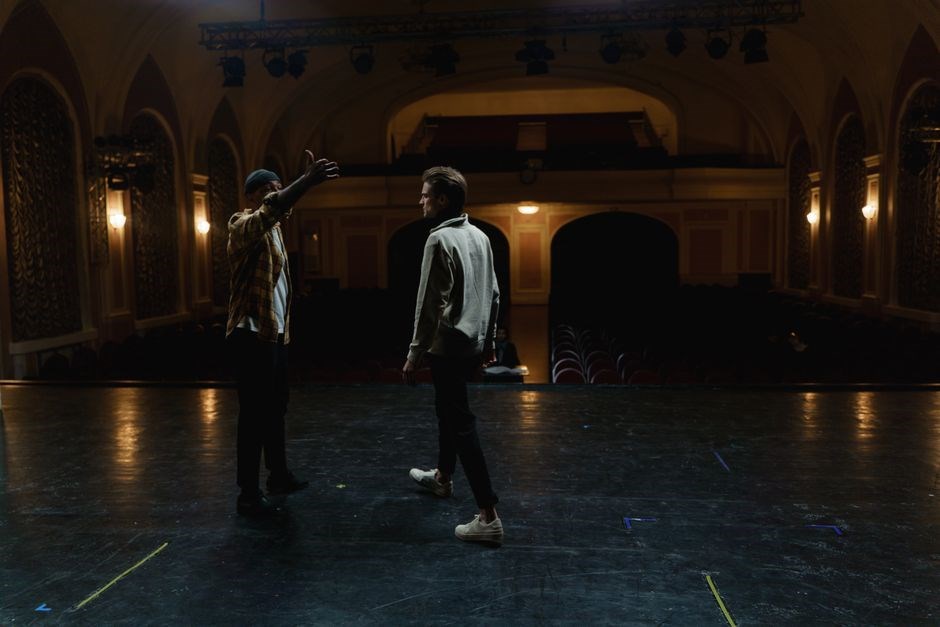
Preparing for the Stage
Before stepping onto the stage‚ actors must align body‚ voice‚ and mind Begin with a focused warm‑up routine that eases muscles and clears the mind Follow up with targeted breathing exercises to stabilize breath control Finally‚ review script‚ noting emotional beats and physical cues!!!
Physical and Vocal Warm‑Ups
Physical and vocal warmups are the cornerstone of a reliable performance. They prepare the body to move with fluidity‚ reduce injury risk and prime the voice for sustained‚ expressive delivery. A typical routine begins with gentle stretching: neck rolls‚ shoulder shrugs and wrist circles to loosen tension. Next‚ a series of diaphragmatic breathing exercises—inhale for four counts hold exhale for six—helps establish steady airflow and vocal resonance. Vocal warmups progress from soft humming to lip trills‚ gradually increasing pitch while maintaining relaxed jaw muscles. Incorporating tongue twisters such as “Redrimmed roses” sharpens diction and articulation. Finally‚ a brief movement sequence—such as a slow walk or a series of small jumps—engages core stability and encourages a grounded presence on stage. Consistency in these practices not only improves technical skill but also builds confidence‚ allowing actors to focus on character and emotion rather than physical discomfort. Additionally‚ dynamic stretching such as lunges and side bends primes the lower body for stage blocking. A focused vocal drill like the “Sirens” exercise trains the range and control needed for varied roles. Practicing breath control through sustained notes or “SustainedS” exercises builds stamina for long scenes. Incorporating a quick “Body Scan” meditation helps release tension in the spine and shoulders. A final check of posture—standing tall with shoulders back—ensures alignment for projection. By integrating these steps into a daily routine‚ actors develop muscle memory‚ reduce the risk of strain and cultivate a reliable foundation that supports both the physical and vocal demands of any role‚ ensuring a confident‚ polished performance every time. This disciplined preparation translates into a stage presence‚ enabling performers to adapt to director’s vision.
Researching Character Backgrounds
Understanding a character’s history‚ motivations‚ and social context is essential for authentic portrayal. Begin by reading the script multiple times‚ noting every line that hints at backstory or personal conflict. Then‚ create a character dossier: list key facts—name‚ age‚ occupation‚ family ties‚ and pivotal life events. Use primary sources such as historical documents‚ news archives‚ or cultural studies to ground the character’s world in reality. If the role is set in a specific era‚ research fashion‚ slang‚ and societal norms of that period; if it’s a contemporary setting‚ explore current trends and digital footprints. Interviews with people who share similar backgrounds can reveal nuanced behaviors and speech patterns. Analyze psychological profiles that align with the character’s traits; consider using tools like the Big Five personality test to map out strengths and weaknesses. Map out the character’s relationships on a diagram to visualize alliances and rivalries. Finally‚ compile all findings into a concise reference sheet‚ highlighting key insights that inform emotional beats and physical choices during rehearsal.
To deepen understanding‚ actors can create a timeline chart mapping key events‚ noting cause‑effect links that shape motivations. Role‑playing exercises with a scene partner can surface hidden emotional layers‚ while journal reflections capture evolving insights. Incorporating movement work—such as body‑language drills—helps translate internal states into external presence‚ ensuring the portrayal feels lived and credible.Keep rehearsing daily!!
Mastering the craft demands disciplined practice‚ creative exploration‚ and continuous learning. Start with daily warm‑ups‚ study varied techniques‚ and experiment with improvisation. Record sessions to critique performance‚ refine timing‚ and deepen emotional truth. Embrace feedback‚ adapt‚ and persist. Keep honing daily.
Improvisation and Spontaneity Techniques
Improvisation is the heartbeat of spontaneous performance‚ allowing actors to inhabit the moment with authenticity and creative freedom. Begin by cultivating a mindset of curiosity: ask “What would happen next?” and let the answer guide your choices. Ground yourself in the present‚ listening to your scene partner’s words and body language‚ and respond truthfully rather than rehearsed. Use the “Yes‚ and…” rule to build upon offers‚ keeping the energy flowing and the scene alive. Practice quick character shifts‚ altering voice‚ posture or emotional tone in response to new information. This trains the brain to adapt instantly‚ a skill that translates to auditions and live performances. Incorporate physical games that demand rapid decision‑making‚ such as “Zip‑Zap‑Zop” or “The Alphabet Game‚” to sharpen reflexes and reinforce trust in your instincts. Record your sessions‚ then review to identify moments where hesitation slipped in; replace them with bold‚ decisive actions. Finally‚ schedule regular improv workshops or join a local troupe to expose yourself to diverse styles and challenges. The more you practice‚ the more instinctively you’ll navigate the unpredictable terrain of live theater and film‚ turning every spontaneous moment into a powerful‚ memorable performance. Key improv exercises include the 12‑minute scene‚ the 5‑second rule‚ and the “Yes‑and” chain. Practice these daily‚ record‚ and critique. Embrace failure as learning‚ and keep the energy high. Remember‚ the best improv is rooted in listening‚ trust‚ and genuine curiosity. Use games like “Zip‑Zap‑Zop” to sharpen reflexes‚ and stay present‚ letting the scene evolve naturally now!

Professional Development
In this section‚ actors refine career strategies‚ build a compelling portfolio‚ master audition techniques‚ and network effectively. Learn to set measurable goals‚ track progress‚ and adapt to industry trends‚ ensuring continuous growth and resilience in a competitive field. Stay sharp.!

Audition Strategies and Portfolio Building
Success in auditions hinges on preparation‚ presentation‚ and persistence. Begin by researching each role’s demands‚ then tailor your monologue or scene to highlight relevant skills. Practice with a mirror‚ record yourself‚ and review for authenticity and clarity. Dress appropriately‚ arrive early‚ and greet the casting team with confidence.
Your portfolio is your visual résumé. Include a professional headshot‚ head‑to‑toe shots‚ and a short reel showcasing diverse performances. Organize your résumé by role type‚ and keep contact information current. Use a clean‚ digital format that loads quickly and is accessible on mobile devices.
Networking is essential. Attend workshops‚ industry panels‚ and local theater events. Build relationships with directors‚ casting directors‚ and fellow actors. Follow up with a polite thank‑you email‚ and share updates on new work or training.
Track every audition: note the date‚ role‚ and feedback received. Reflect on what worked and what didn’t‚ adjusting your approach accordingly; Set realistic goals‚ such as attending a certain number of auditions per month‚ and celebrate small wins to maintain motivation.

Finally‚ stay resilient. Rejection is part of the journey; use it as a learning tool. Keep refining your craft‚ updating your portfolio‚ and seeking constructive criticism. Consistency and growth will open doors over time.
Remember‚ every audition is a learning opportunity. Embrace feedback‚ refine your approach‚ and keep a growth mindset. Dedication will shine through every performance!!
Networking and Industry Etiquette
Building lasting relationships in the performing arts requires more than a polished résumé; it demands genuine curiosity‚ respect‚ and a consistent presence in the community. Start by attending local theater productions‚ industry mixers‚ and professional development workshops. When you meet a director‚ casting agent‚ or fellow actor‚ introduce yourself with a firm handshake‚ a clear name‚ and a concise statement of your current focus.
Follow up promptly with a brief‚ personalized email thanking them for their time and mentioning a specific detail from your conversation. This demonstrates attentiveness and keeps the connection alive. Keep a digital contact list that includes email addresses‚ social media handles‚ and notes on each interaction. Review this list regularly to identify opportunities for collaboration or mentorship.
Respect is the cornerstone of etiquette. Arrive on time‚ bring only what is necessary‚ and avoid interrupting ongoing discussions. When speaking‚ listen actively‚ ask thoughtful questions‚ and avoid self‑promotion unless invited. Show appreciation for the time and expertise of others‚ and offer to help when appropriate—whether it’s sharing a script‚ providing feedback‚ or volunteering at a community event.
Use social media strategically: post professional updates‚ share insights‚ and engage with industry news. Maintain a consistent tone that reflects your brand‚ and avoid controversial content that could alienate potential contacts. When you share work‚ credit collaborators and highlight the collective effort.
Build trust‚ share value.

Resources and PDF Format
Explore a curated list of books‚ websites‚ and tools that enhance acting skills. Access downloadable worksheets‚ checklists‚ and templates. Use the PDF’s built‑in bookmarks for quick navigation. Ensure the file is optimized for mobile and desktop viewing‚ with clear headings and links. All resources are PDF‑friendly.!
Recommended Reading and Online Tools
Here is a list of books‚ websites‚ and apps that actors can use to deepen their craft and stay current with industry trends. The following titles are widely regarded as essential reading for both beginners and seasoned performers. They cover a range of topics from script analysis to emotional truth‚ and from stage presence to digital audition preparation. In addition to the print and digital books‚ we recommend a variety of online courses‚ forums‚ and mobile applications that provide interactive exercises‚ feedback loops‚ and networking opportunities. Each resource is chosen for its practicality‚ clarity‚ and proven impact on an actor’s development. By integrating these tools into your routine‚ you can create a structured learning path that balances theory and practice‚ while also keeping you connected to a community of peers and mentors. Below is a concise guide to help you navigate the most valuable options available today.
To maximize the benefits of these resources‚ schedule weekly regular review sessions and track progress now Use online forums to share insights receive feedback Leverage mobile apps for on‑the‑go vocal warm‑ups breathing drills and scene study When exploring digital tools‚ prioritize those with interfaces tutorials and community support Finally remember that the most powerful learning comes from practice willingness to experiment By embracing these recommended readings and tools you’ll build a solid foundation that supports both artistic growth and professional success These tools refine technique broaden versatility and boost career for all
PDF Accessibility Features and Best Practices
Ensuring your actor handbook is accessible means it can be read by everyone‚ including those using screen readers or other assistive technologies. Start by assigning a clear document title and author metadata. Use semantic tags—headings (h1‑h6)‚ paragraph tags‚ and lists—to structure the content logically. Add descriptive alt text to any images or graphics so that visual information is conveyed verbally. For tables‚ include
and tags and provide summary attributes that explain the table’s purpose. Include a