
tv guide chart for short
TV Guide Chart for Short: A Comprehensive Plan

Planning TV viewing is streamlined with a TV schedule‚ offering channel guides and program templates. Satellite receiver menus and smart TV apps enhance access.
TV program information sources‚ like EPGs‚ deliver accurate data. PDF downloads and vector graphics aid in presentation‚ optimizing time slot choices.
Understanding the Core Function of a TV Guide
At its heart‚ a TV guide serves as a roadmap for navigating the vast landscape of television programming. It’s fundamentally about empowering viewers with information – program titles‚ concise descriptions‚ and crucially‚ precise channel listings and time slots.

Historically‚ this function was fulfilled by print TV guides‚ but has evolved dramatically with digital and electronic program guides (EPGs). The core purpose remains constant: to allow users to efficiently plan their viewing schedule‚ discover new content‚ and avoid missing favorite shows.
Modern guides extend beyond simple listings‚ incorporating genre categorization and rating systems to aid in selection.
Historical Evolution of TV Guides
Early TV guides emerged alongside the growth of television itself‚ initially as newspaper inserts listing daily programs. These rudimentary charts evolved into dedicated print TV guides‚ like TV Guide magazine‚ becoming a household staple for decades.
The advent of cable television increased channel options‚ demanding more comprehensive listings. This spurred the development of electronic program guides (EPGs)‚ integrated into satellite receiver menus and later‚ smart TV interfaces.
Today‚ the evolution continues with interactive program guides (IPGs) and integration with streaming services‚ offering a unified viewing experience.
Digital vs. Print TV Guides
Print TV guides‚ while nostalgic‚ offer limited space and static information. Updates are weekly‚ lacking real-time changes. Conversely‚ digital TV guides‚ found in smart TV apps and satellite receiver menus‚ provide dynamic‚ instantly updated listings.
EPGs allow for interactive features like searching‚ setting reminders‚ and personalized channel guide customization. TV schedule access is immediate and comprehensive.
Digital formats also facilitate integration with streaming services‚ offering a unified view of all available content‚ surpassing the limitations of traditional print.
The Rise of Electronic Program Guides (EPGs)

Electronic Program Guides (EPGs) revolutionized TV schedule access‚ moving beyond static TV guide listings. Initially appearing with digital television‚ EPGs offered interactive features like program searching and detailed program descriptions.
Data providers fuel EPG accuracy‚ ensuring up-to-date information on channel listings and time slots. Modern EPGs integrate with smart TV apps and satellite receiver menus.
This shift enabled personalized viewing experiences‚ including favorite channel lists and automated recording‚ fundamentally changing how viewers plan their entertainment.
Smart TV App Interface and Channel Guides
Smart TV app interfaces dramatically altered channel guide navigation‚ offering intuitive and visually appealing experiences. These apps often integrate EPG data‚ providing comprehensive TV schedules directly on the screen.
Users benefit from features like personalized recommendations and universal search‚ blending traditional TV program listings with streaming services. Apple TV and Android TV offer distinct guide options and customization.
This seamless integration simplifies TV viewing‚ allowing viewers to effortlessly discover and access content.
Key Components of a TV Guide Chart
A comprehensive TV guide chart fundamentally includes channel listings organized by time slots. Essential elements are clear program titles and concise descriptions‚ informing viewers about content.
Genre categorization aids discovery‚ while rating systems and parental controls ensure appropriate viewing; Modern guides often feature interactive elements like IPGs and search functionality.
Effective charts prioritize readability and accessibility‚ presenting information in a user-friendly format for optimal TV planning.
Channel Listings and Time Slots
Channel listings form the backbone of any TV guide chart‚ presenting networks sequentially. Each listing is paired with precise time slots‚ detailing start and end times for each program.
Accurate scheduling is crucial; guides rely on data providers for EPG information. Satellite receiver menus and smart TV apps display these listings‚ allowing viewers to easily navigate.
Effective presentation ensures quick comprehension‚ enabling efficient TV viewing schedule creation.
Program Titles and Descriptions
Program titles are prominently displayed within a TV guide chart‚ immediately identifying content. Concise descriptions follow‚ offering a brief overview of each show or movie’s plot and genre.
These descriptions aid viewers in selecting programs aligning with their interests. EPG data sources provide this information‚ ensuring accuracy and relevance.
Engaging descriptions‚ coupled with clear titles‚ enhance the user experience and facilitate informed viewing choices.
Genre Categorization in TV Guides
Genre categorization is crucial for efficient TV guide navigation. Listings are typically organized into categories like comedy‚ drama‚ news‚ sports‚ and movies‚ allowing viewers to quickly locate preferred content.
This system simplifies browsing‚ especially with extensive channel lineups. EPG data providers assign genres‚ ensuring consistency across platforms.
Effective categorization enhances the user experience‚ enabling personalized TV schedule creation and targeted program discovery.
Rating Systems and Parental Controls
TV guides integrate rating systems – like TV-G‚ TV-PG‚ TV-14‚ and TV-MA – to inform viewers about content suitability. These ratings help families make informed viewing choices.
Parental controls‚ often accessible through smart TV settings or satellite receiver menus‚ allow blocking of specific channels or programs based on these ratings.
Modern EPGs and TV schedule apps frequently include robust parental control features‚ ensuring a safe viewing experience for children.
Creating a Personalized TV Viewing Schedule
TV guides empower viewers to build personalized schedules by utilizing favorite channel lists. This feature streamlines access to preferred content‚ eliminating endless channel surfing.
Modern EPGs and smart TV apps allow setting reminders and alerts for upcoming shows‚ ensuring you never miss a program. Customizable TV schedule templates further enhance organization.
Integrating streaming services with traditional TV program listings creates a unified viewing plan‚ maximizing entertainment options.
Utilizing Favorite Channel Lists

Favorite channel lists are a cornerstone of personalized TV guides‚ simplifying access to frequently watched networks. This feature minimizes navigation time‚ presenting preferred content upfront.
Most smart TV apps and satellite receiver menus offer easy customization‚ allowing users to curate their ideal channel lineup. This tailored approach enhances the viewing experience.
By prioritizing channels‚ viewers can quickly scan upcoming programs and build a personalized TV schedule‚ maximizing enjoyment and minimizing wasted time searching.
Setting Reminders and Alerts
Reminders and alerts are crucial features within modern TV guides‚ ensuring viewers never miss a desired program. These functionalities allow scheduling notifications before show starts.
Smart TV apps and EPGs commonly integrate this capability‚ offering customizable alert times. Users can set reminders for single episodes or recurring series‚ enhancing schedule management.
This proactive approach eliminates the need for constant channel monitoring‚ providing peace of mind and a seamless viewing experience. It’s a key component of a comprehensive TV guide.
TV Guide Templates: Design and Functionality
TV guide templates offer pre-designed layouts for presenting program schedules‚ streamlining content creation. These templates range from simple lists to visually engaging charts‚ utilizing vector graphics for banners.
Functionality includes clear channel listings‚ program titles‚ and descriptions. Customizable options allow tailoring to specific needs‚ like adding genre categorization or rating systems.
PDF formats are common for distribution‚ ensuring accessibility. Effective templates prioritize readability and ease of navigation‚ enhancing the user experience of a TV guide.
Free TV Guide Templates Available Online
Numerous websites offer free TV guide templates‚ providing accessible options for creating program schedules. These resources often include PDF and editable document formats‚ simplifying customization.
Templates vary in design‚ from basic channel listings to more elaborate charts with program descriptions and genre categorization. Many are compatible with standard software like Microsoft Word or Google Docs.
Utilizing these templates saves time and effort‚ offering a starting point for personalized TV guides. They are ideal for individual use or small-scale distribution of TV schedules.
Customizable TV Schedule Templates
Customizable TV schedule templates empower users to tailor guides to their specific needs. These templates allow modification of channel listings‚ time slots‚ and program details‚ enhancing personalization.
Features often include adjustable grid layouts‚ font choices‚ and color schemes. Users can add or remove channels‚ incorporate genre classifications‚ and include rating systems for content filtering.
Such flexibility is crucial for creating a TV guide that aligns with individual preferences and viewing habits‚ optimizing the schedule for a streamlined entertainment experience.
Satellite Receiver Menu Options & TV Guides
Satellite receiver menus provide integrated TV guides‚ offering comprehensive channel listings and program information. Navigating these menus allows users to browse schedules‚ set reminders‚ and access detailed program descriptions.
Key options include sorting channels‚ filtering by genre‚ and searching for specific shows. Accurate programming relies on proper receiver setup‚ ensuring the guide displays correct data.
These features streamline the viewing experience‚ enabling efficient schedule planning and effortless access to desired content‚ mirroring functionality found in smart TV interfaces.
Navigating Channel Listings on Satellite Boxes
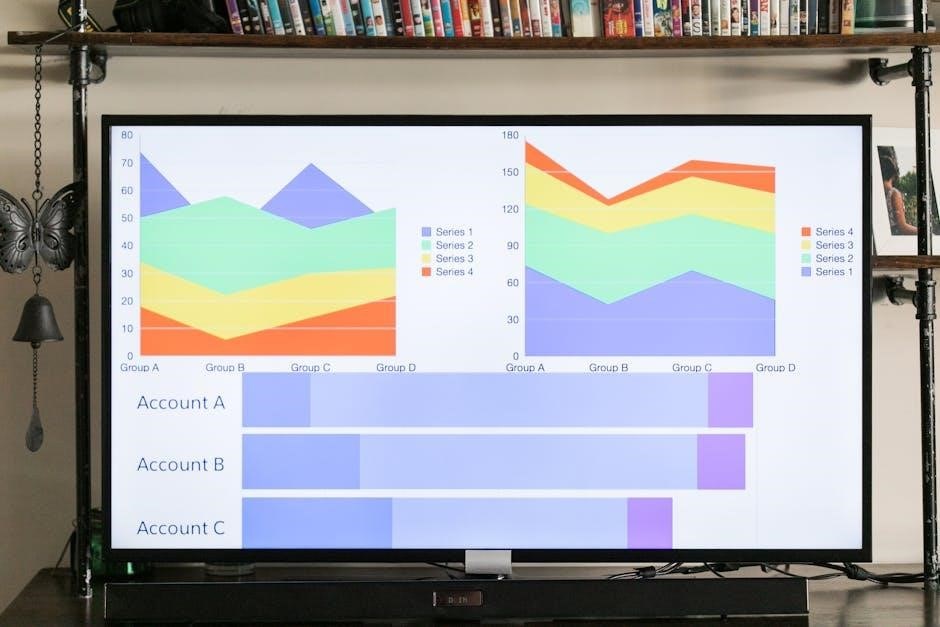
Satellite boxes present channel listings through intuitive menu systems. Users can scroll through channels‚ preview program details‚ and quickly switch between current and upcoming shows. Many boxes offer customizable favorite channel lists for rapid access.
Effective navigation involves utilizing the remote control’s guide button‚ employing search functions‚ and understanding sorting options – by channel number‚ name‚ or program genre.
These features facilitate efficient schedule planning and enhance the overall viewing experience‚ mirroring the functionality of TV guide apps and EPGs.
Programming TV Receivers for Accurate Guides
Accurate TV guides rely on correct receiver programming. Initial setup requires selecting your location and service provider‚ ensuring the receiver receives the appropriate EPG data. Regular updates are crucial; most receivers automatically scan for updated program information.
Manual scans can resolve issues with incomplete or incorrect listings. Proper time and date settings are also vital for schedule accuracy. Maintaining these settings guarantees a reliable TV guide experience.
Troubleshooting often involves re-scanning channels and verifying service subscriptions.
TV Program Information Sources
TV guide data originates from various sources‚ primarily data providers specializing in Electronic Program Guides (EPGs). These providers collect program schedules directly from broadcasters and networks‚ ensuring comprehensive listings. Accuracy depends on timely updates and reliable data feeds.
Interactive Program Guides (IPGs) often integrate this data‚ offering enhanced features like search and recommendations. The quality of the TV schedule hinges on the provider’s efficiency and the receiver’s ability to process the information.
Data Providers for EPG Information
EPG data is largely supplied by companies like Gracenote‚ Rovi (now Xperi)‚ and Tribune Media Services. These providers aggregate TV program details – titles‚ descriptions‚ schedules – and distribute them to cable‚ satellite‚ and smart TV manufacturers.
Their services power the TV guide charts we see‚ ensuring accurate channel listings. Reliability is crucial; inaccuracies impact personalized TV viewing schedules and reminder functionality. Data quality directly affects user experience.
Accuracy and Reliability of TV Guide Data
Maintaining accuracy in TV guide information is a constant challenge. Errors can stem from last-minute program changes‚ incorrect data entry‚ or delays in updates from data providers. Reliable EPG data is vital for a positive user experience.
Inaccurate schedules disrupt personalized TV viewing schedules and reminders. Users depend on these guides for planning‚ so consistent‚ dependable information is paramount. Verification processes and automated updates are key to improving reliability.
Advanced Features in Modern TV Guides
Interactive Program Guides (IPGs) represent a significant leap forward‚ offering features beyond basic listings. Search functionality allows users to quickly locate specific shows or actors. Recommendations‚ often powered by algorithms‚ suggest content based on viewing habits.
TV guide and streaming services integration is becoming commonplace‚ providing a universal search across platforms. These advancements aim to simplify the viewing experience‚ consolidating options and enhancing discovery.
Interactive Program Guides (IPGs)
Interactive Program Guides (IPGs) elevate the traditional TV guide‚ offering a dynamic and engaging user experience. They move beyond static listings‚ providing detailed program information and often incorporating on-screen graphics. Users can browse by channel‚ time‚ or genre.
IPGs frequently include features like search functionality and personalized recommendations‚ enhancing content discovery. These guides are central to modern smart TV interfaces and satellite receiver menus‚ streamlining TV viewing.
Search Functionality and Recommendations
Search functionality within TV guides allows users to quickly locate specific programs‚ actors‚ or genres‚ bypassing manual channel surfing. Modern IPGs leverage algorithms to provide personalized program recommendations based on viewing history.
These recommendations aim to enhance content discovery and engagement‚ mirroring features found in streaming services. Effective TV guide systems integrate both robust search capabilities and intelligent suggestions‚ improving the overall user experience.
TV Guide and Streaming Services Integration
Integrating TV guides with streaming services creates a unified entertainment hub‚ offering a comprehensive view of available content. Users can seamlessly browse traditional TV listings alongside options from platforms like Netflix and Hulu.
Universal search across these platforms simplifies content discovery‚ eliminating the need to navigate multiple apps. This convergence provides a more convenient and personalized viewing experience‚ reflecting evolving consumer habits.
Combining Traditional TV Listings with Streaming Options
Modern TV guides are evolving to bridge the gap between traditional broadcast TV and the expanding world of streaming services. This integration allows viewers to compare content across platforms‚ discovering shows available on both cable and services like Netflix.
By presenting a consolidated view‚ users can make informed decisions about what to watch‚ maximizing their entertainment options. This unified approach enhances the overall viewing experience and simplifies content selection.
Universal Search Across Platforms
Advanced TV guides now feature universal search functionality‚ enabling viewers to locate programs regardless of their source. This means searching for an actor‚ title‚ or genre will display results from live TV‚ on-demand services‚ and streaming platforms simultaneously.
This capability eliminates the need to navigate multiple apps and interfaces‚ streamlining the discovery process. It provides a centralized hub for entertainment‚ enhancing user convenience and promoting a more cohesive viewing experience.
Troubleshooting Common TV Guide Issues
TV guide problems often involve updating or incorrect information display. Common fixes include resetting your receiver‚ checking cable connections‚ and ensuring the time and date are accurate. Remote control malfunctions can hinder navigation; try replacing batteries or re-pairing the remote.
If issues persist‚ consult your service provider or the TV manufacturer’s support resources. Regularly updating the EPG software can also resolve many glitches‚ ensuring a reliable channel guide.
Guide Not Updating or Displaying Correct Information
A TV guide failing to update usually stems from signal interruptions or outdated data. First‚ reboot your receiver or smart TV. Verify your internet connection if using an online guide. Check for firmware updates for your device‚ as these often include EPG improvements.
Sometimes‚ a simple rescan of channels can resolve discrepancies. If problems continue‚ contact your service provider to confirm data transmission and ensure accurate program listings.

Remote Control Issues and Guide Navigation
Difficulty navigating the TV guide often points to remote control problems. Ensure fresh batteries are installed and there’s a clear line of sight to the receiver. Try resetting the remote by removing and reinserting the batteries.
Familiarize yourself with dedicated guide buttons on your remote. Explore menu options for customized layouts and search functions. If navigation remains sluggish‚ consult your device’s manual for specific channel guide controls.
The Future of TV Guides
AI-powered program recommendations are poised to revolutionize TV guides‚ learning viewer preferences for personalized suggestions. Voice control will offer hands-free navigation and searching‚ enhancing the user experience. Expect seamless integration with streaming services‚ creating a universal search across platforms.
The future TV guide will anticipate viewing habits‚ offering proactive alerts and curated TV schedules. These advancements will move beyond simple listings to become intelligent entertainment hubs.
AI-Powered Program Recommendations
AI algorithms analyze viewing history‚ genre preferences‚ and even social media trends to suggest relevant TV programs. These recommendations move beyond simple genre matching‚ predicting what viewers will enjoy based on complex data patterns. Smart TV interfaces will prominently feature these curated suggestions.
Expect personalized TV schedules generated automatically‚ eliminating endless channel surfing. AI will refine suggestions over time‚ learning individual tastes for a truly customized experience.
Voice Control and Personalized Viewing Experiences
Voice control integration allows users to navigate TV guides and change channels hands-free‚ enhancing accessibility. Commands like “Show me action movies” or “Record this program” become commonplace. Personalized viewing experiences extend beyond recommendations.
User profiles store preferences‚ ensuring each family member sees a tailored TV schedule. AI learns viewing habits‚ proactively suggesting content and optimizing the channel guide for individual tastes.
TV Guide for Specific Devices (Apple TV‚ Android TV)
Apple TV offers a streamlined TV guide with intuitive navigation and seamless integration with other Apple devices‚ focusing on app-based viewing. Android TV provides greater customization‚ supporting various channel guide options and third-party apps.
Both platforms benefit from EPG data‚ but user experience differs. Android TV allows sideloading‚ expanding program access‚ while Apple TV prioritizes a curated‚ user-friendly interface for a simplified TV schedule.
Apple TV Guide Features and Navigation
Apple TV’s guide emphasizes app-centric browsing‚ showcasing content from streaming services alongside traditional channels. Navigation is primarily through the Siri Remote‚ utilizing swipe gestures for scrolling through program listings and accessing the TV schedule.
Features include “Up Next” recommendations and integration with the Apple ecosystem. While lacking extensive customization‚ the interface is clean and intuitive. TV guide data is sourced through apps‚ offering a curated‚ user-friendly experience.
Android TV Guide Options and Customization
Android TV offers a more customizable TV guide experience compared to Apple TV. Users can personalize channel lineups and utilize live channels apps for traditional TV schedule viewing. The interface varies slightly depending on the manufacturer‚ but generally features grid-style listings.
Advanced options include input switching directly from the guide and integration with voice control. Third-party apps expand functionality‚ offering enhanced program information and recording capabilities. Customization allows tailoring the TV guide to individual preferences.
Vector Graphics and TV Program Banner Templates

Vector graphics are crucial for creating visually appealing TV program presentations and TV guide charts; These scalable images ensure clarity across various screen sizes‚ ideal for digital displays and PDF schedules. Templates streamline the design process‚ offering pre-designed layouts for news banners and program announcements.

Utilizing vibrant colors and dynamic compositions enhances viewer engagement. Consistent branding through these templates reinforces channel identity. Designers can easily adapt these vector assets for diverse TV marketing materials‚ improving the overall viewing experience.
Design Elements for TV Schedule Presentations
Effective TV schedule presentations prioritize readability and visual hierarchy. Employing clear typography and a logical grid structure is essential for easy navigation. Color-coding by genre enhances quick identification of preferred programs. Incorporating channel logos and program artwork adds visual interest.
Strategic use of whitespace prevents clutter‚ while consistent design elements maintain brand identity. Consider accessibility by ensuring sufficient contrast and font sizes. These elements collectively contribute to a user-friendly and informative TV guide experience.
Utilizing Templates for News and Program Announcements
Pre-designed templates streamline the creation of compelling TV program announcements and breaking news banners. Vector graphics offer scalability for various screen sizes‚ ensuring visual clarity. Consistent branding across announcements reinforces network identity. These templates often feature designated areas for program titles‚ descriptions‚ and air times.
Effective announcements highlight key information concisely. Utilizing a clear visual hierarchy guides viewers’ attention. Customizable templates allow for quick adaptation to specific schedule changes or urgent news updates‚ enhancing viewer engagement.
TV Schedules as PDF Documents
TV schedules in PDF format offer portability and ease of distribution. Viewers can easily download and print channel guides for offline access. PDFs maintain formatting consistency across devices‚ ensuring readability. Accessibility features‚ like text scaling‚ enhance usability for all viewers.
These documents often include comprehensive program listings‚ categorized by channel and time. PDF guides are ideal for sharing with those less familiar with digital TV interfaces‚ providing a familiar and convenient viewing schedule.
Downloading and Printing TV Schedules
Downloading TV schedules as PDF documents allows for convenient offline viewing and planning. Many websites offer free‚ printable TV guides‚ categorized by region and channel. Printing provides a tangible schedule‚ ideal for those preferring a physical copy.
Ensure printer settings are optimized for clear readability. PDF viewers offer options for scaling and adjusting margins. This process simplifies program selection and eliminates reliance on digital devices‚ enhancing the overall TV viewing experience.
Accessibility and Readability of PDF Guides
PDF TV guides should prioritize accessibility for all viewers. Utilizing clear fonts‚ sufficient contrast‚ and logical formatting enhances readability. Larger font sizes benefit visually impaired individuals‚ while well-defined sections improve navigation.
Tagged PDFs support screen readers‚ making content accessible to those with disabilities. Ensuring compatibility across devices—smartphones‚ tablets‚ computers—is crucial. A well-designed TV schedule in PDF format promotes inclusive program planning.
TV Guide for Content Creators and Producers
TV guides are vital tools for content creators‚ influencing program scheduling and time slot optimization. Understanding viewer habits‚ gleaned from guide data‚ informs strategic placement of content. Engaging TV program templates attract attention within listings.
Producers leverage guide information to maximize viewership and advertising revenue. Accurate metadata—titles‚ descriptions—is essential for discoverability. Effective TV schedule presentation boosts program visibility‚ driving audience engagement.
Program Scheduling and Time Slot Optimization
Program scheduling hinges on understanding audience demographics and viewing patterns‚ revealed through TV guide data. Optimizing time slots maximizes viewership‚ balancing popular shows with niche content. Strategic placement considers competing programs and daypart performance.
Effective TV schedules leverage data to predict audience response‚ boosting ratings and advertising revenue. Analyzing channel listings helps identify optimal times for specific TV programs. A well-crafted schedule is crucial for success.
Creating Engaging TV Program Templates
Engaging TV program templates are vital for attracting viewers and conveying information effectively. Utilizing vector graphics and clear layouts enhances visual appeal within TV guides. These templates should highlight key details – program title‚ description‚ and time slot – for quick comprehension.
Effective templates integrate seamlessly with satellite receiver displays and smart TV app interfaces. Consistent branding and compelling visuals‚ as seen in TV schedule presentations‚ are essential for a positive user experience.
Leave a Reply
You must be logged in to post a comment.